







BENTONVILLE, Ark. – The Latin Culture Club has been around for over a decade and was one of the largest clubs on campus before the pandemic. Since that time, the club has focused on building membership and finding more ways to share its traditions with the larger community. This year’s Dia de Los Muertos event is one way members share their culture.
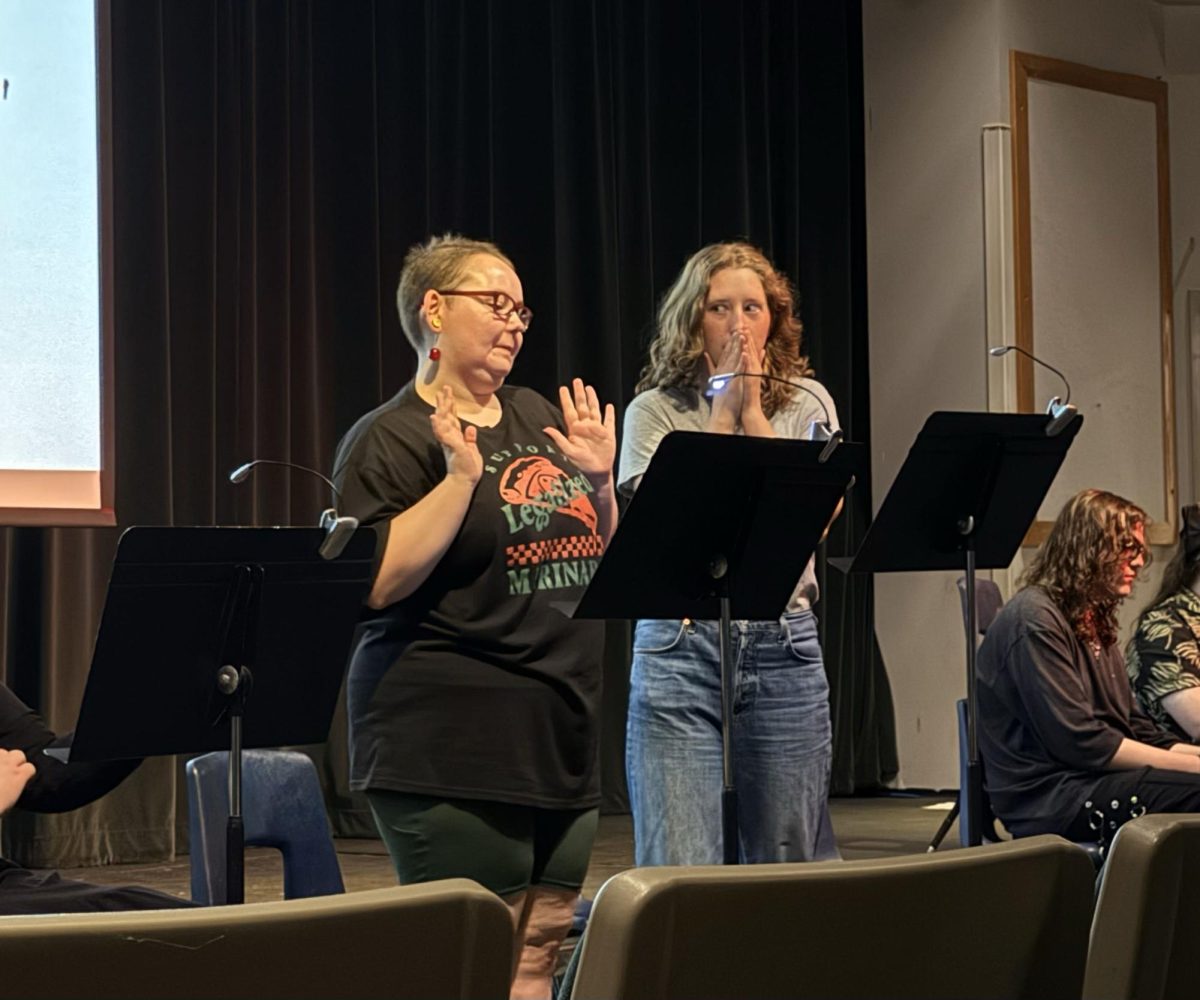
Maria Tapia, adviser for the Latin Culture Club, said, “After COVID, it got really hard to start picking up again and bring the students back.” It’s not surprising that the pandemic made life harder for everyone, but the club has bounced back.
Returning members Anahi Ceron-Hernandez and Xenia Regalado Garcia discussed that sense of renewed enthusiasm for the club’s work. “It’s being with a community of likeminded people where we all understand each other. And it’s knowing you guys have each other’s backs…,” Ceron-Hernandez said. Regalado added, “Latin Culture Club creates a space where our culture is not only seen but celebrated. This community offers the support and encouragement I need to keep going.”
They’re not the only ones who feel that way. New member Jermie William Rosales said, “I get to know more about my community and my culture. I feel welcomed because it’s people like me and first-generation Latino students that are going through the same thing I am.”
The students said they’re excited about the Dia de los Muertos event, which is one of the biggest and most popular events of the fall semester. But what is Dia de los Muertos?
Dia de los Muertos or Day of the Dead, is a holiday from Mexico and Latin America that honors deceased family members, friends, pets and more. Contrary to what some may think, Dia de Muertos isn’t a time of mourning or a time to be afraid. It’s a day to remember those who have passed and a celebration of the lives they lived.
Tapia, club adviser, said, “In Latin and Hispanic cultures, death is not something scary. Death is celebrated. So, we want to educate people on that. It’s [Dia de los Muertos] not a Mexican or Hispanic Halloween, we don’t dress up in costumes and scary things.” Still, there are some that dress up as Catrinas, which are skeletal figures that represent who we are and where we’ll end up.
Traditionally, Dia de los Muertos spans multiple days, despite the name suggesting it’s only one day. For some the celebration runs from Oct. 27 to Nov. 2, and for others it begins on Nov. 1 to Nov. 2. However, the NWACC Dia de los Muertos event will take place on Tuesday, Oct. 28, and Wednesday Oct. 29.
On these days, many set up ofrendas or altars where they put up pictures of their loved ones along with foods they loved or things they owned in life. During this time of year, you can see Mexico enveloped in Cempasuchil flowers, candles, skulls, crosses and so much more.
Planning for the Dia de los Muertos event at NWACC is underway and the college community can expect ofrendas, music, food, and hot chocolate. Something different this year according to Tapia is the focus on education, “This year we want to be focusing on the education part — why we use salt, why we use the marigold flowers.”
The Dia de los Muertos celebration is just one of many events the Latin Culture Club puts on each year. The club also does potlucks and educates the community about the club, Hispanic traditions, food, music and more.
For more information about the club, contact adviser Maria Tapia at [email protected] and for more information about Dia de los Muertos visit https://www.mexicanmuseum.org/dia-de-los-muertos