






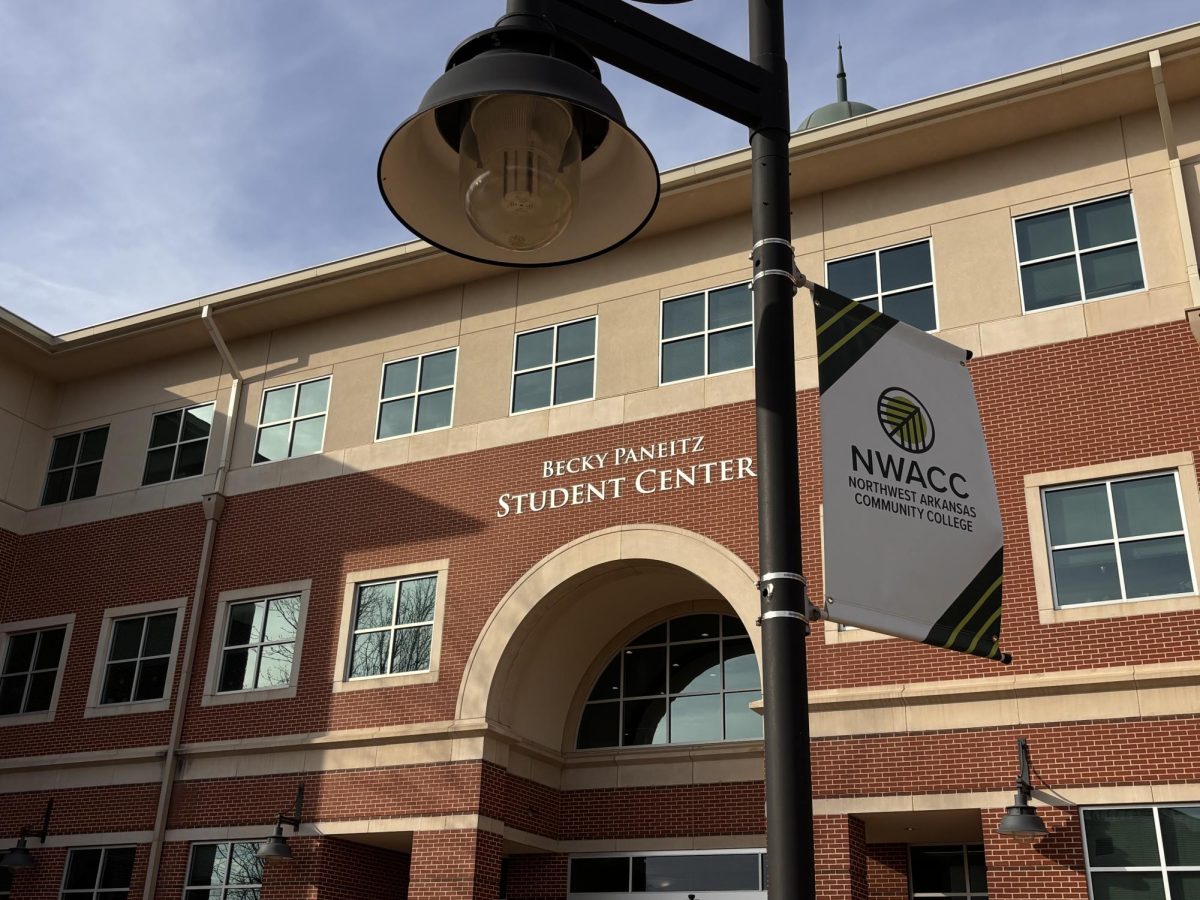


Conflicts occurring far away can sometimes seem irrelevant to the everyday lives of students. But, the ongoing strife between Iran and Israel illustrates how global events can have consequences everywhere — including at NWACC.
The situation itself is intricate and involves numerous political, military, and historical dimensions, but one of the most immediate consequences students may observe is an increase in fuel costs.
Why a distant conflict impacts gas prices
Oil is exchanged on a worldwide market, meaning occurrences in a specific area can affect prices globally. The Middle East is a key oil-producing region, and any disruptions there frequently lead to instability in energy markets.
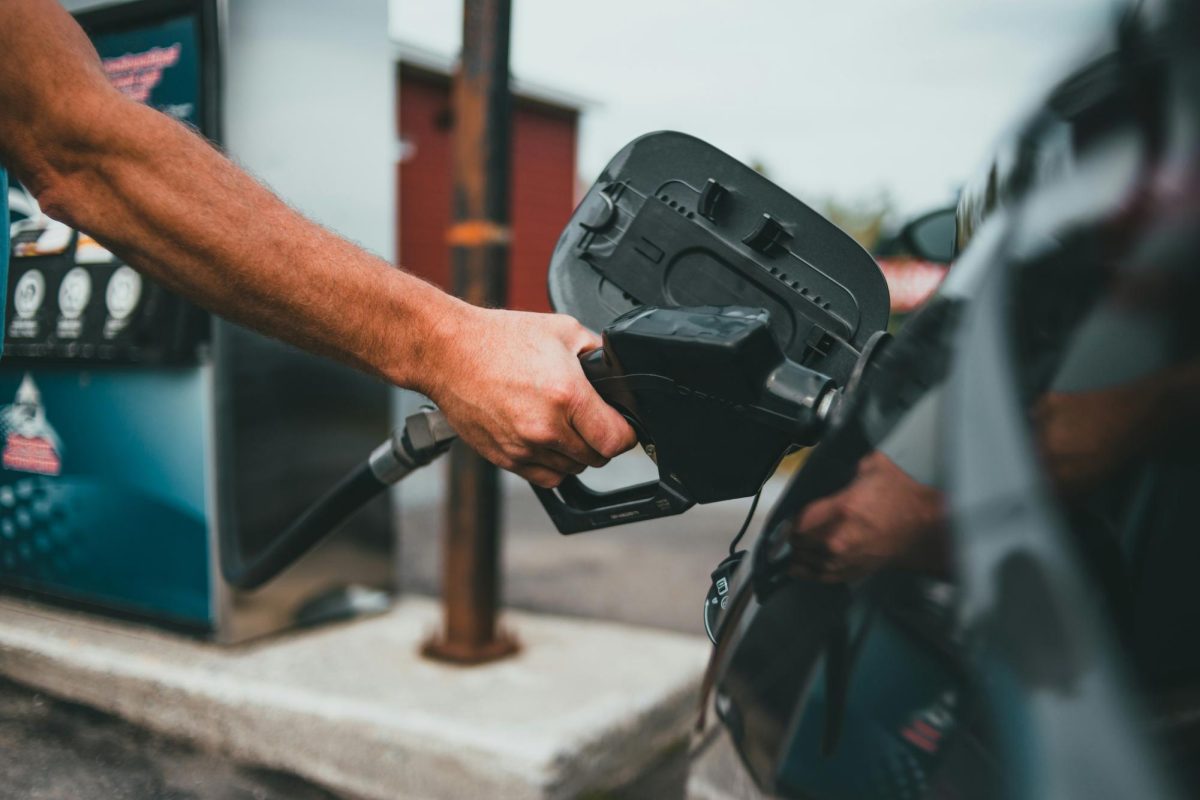
Recent information indicates that global oil rates have soared since the conflict intensified, with crude oil exceeding $100 per barrel, according to a Reuters article. In the United States, the average price for gasoline has also increased as energy markets react to supply uncertainty, according to a CBS article by Megan Cerullo.
One key factor is the significance of the Strait of Hormuz, a narrow waterway near Iran through which about 20% of the world’s oil supply passes. If transportation through this critical route is disrupted or threatened, concerns about global oil supply can quickly drive prices upward in international markets, according to reporting by Reuters.
Implications for students in Northwest Arkansas
For NWACC students, increased fuel prices can impact daily habits. Many students travel from nearby cities such as Bentonville, Rogers, or Springdale, usually relying on their own vehicles for transportation to campus.
As gasoline costs climb, commuting expenses are likely to rise as well. This might require some students to plan their budgets more carefully for travel or modify their plans for transportation. Higher fuel costs can also influence other financial areas. Transportation plays a vital role in delivering groceries, supplies, and various goods, so a rise in fuel prices can lead to broader changes in pricing throughout the economy.
A reminder of global interconnections
For numerous students, this scenario highlights the interconnected nature of today’s world. Events in one area can sway markets, supply networks, and daily living expenses across the planet.
Simultaneously, students and experts stress the need to remain informed while approaching international disputes with a sense of nuance and regard for the diverse communities involved. While the future of the conflict remains unpredictable, its economic repercussions serve as a reminder that worldwide events can influence local realities — even for college students in Northwest Arkansas.
Lu Antolinez is a student at NorthWest Arkansas Community College studying media. She was named senior photographer for the Eagle View this semester.